 Distance from near by city 6.9 KMs From VaranasiTrip duration (including travel in hours)4 - 5 HoursTransportation Options21 Seater Coach, Sedan - AC (4+1), SUV - AC (7+1), Tempo Traveller - AC (12+1)5 package starts from ₹ 9999.00Travel Tips None
 Shri Kashi Vishwanath Temple: The Sacred Jyotirlinga of Lord Shiva
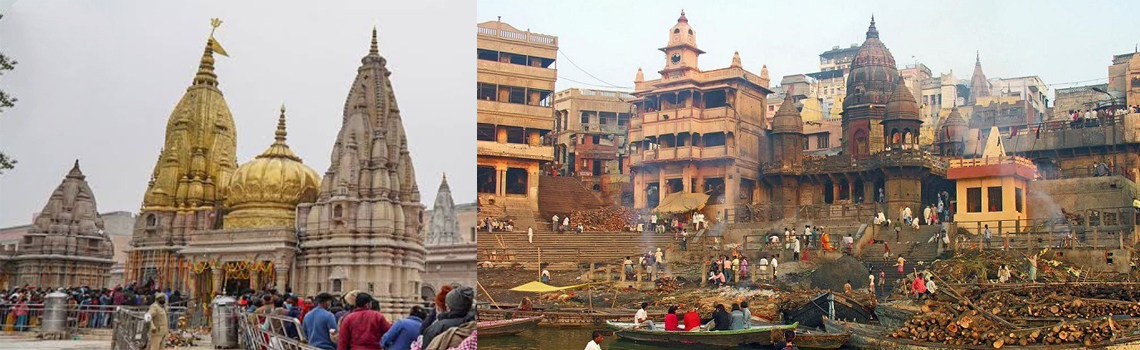
The Shri Kashi Vishwanath Temple at Varanasi in Uttar Pradesh India stands as one of the most sacred Hindu temples throughout the country. The temple serves as a major pilgrimage destination for Lord Shiva worshippers because it contains one of the twelve Jyotirlingas. The temple which stands close to the holy Ganga River functions as a major site with spiritual and cultural and historical importance.
Religious Significance of Kashi Vishwanath Temple
Hindus believe that Varanasi which they call Kashi represents the permanent city of Lord Shiva. The Kashi Vishwanath Temple functions as a place to worship Hindu deities which enables visitors to achieve release from all future births. The Jyotirlinga which exists here shows Shiva as an unending beam of light which represents the highest form of awareness. For centuries, devotees have considered a visit to this temple as one of the most sacred spiritual journeys in India.
History of Shri Kashi Vishwanath Temple
The Kashi Vishwanath Temple traces its origins back to ancient times when Hindu scriptures first mentioned it through their Puranas. The temple has undergone multiple periods of destruction and subsequent reconstruction because of historical military attacks. The current building was constructed in 1700 by Maharani Ahilyabai Holkar of Indore who dedicated her life to the restoration of Hindu temples throughout India. The temple functions as a permanent testament to the enduring faith and dedication of its followers.
Architecture and Temple Structure
The Kashi Vishwanath Temple follows the architectural style of traditional North Indian temple design. The sanctum houses the revered Shiva Lingam, which is the focal point of worship. The temple spire reaches its most impressive height through its golden tip which Maharaja Ranjit Singh dedicated to the temple. The temple complex includes smaller shrines dedicated to various deities which create a spiritually enriched space that enables devotees to practice their faith.
Kashi Vishwanath Corridor Project
The Kashi Vishwanath Corridor has developed direct pathways which enable pilgrims to reach the Ganges River through their temple visits. The redevelopment project has improved crowd management and security systems while making the temple more accessible to visitors who maintain its spiritual atmosphere. Visitors to the corridor can see murals and cultural spaces which educational facilities enable them to learn about the temple's historical background.
Best Time to Visit Kashi Vishwanath Temple
The best time to visit Kashi Vishwanath Temple is from October to March because its weather conditions create ideal visiting circumstances. The two daily Aarti ceremonies which take place at Mangala Aarti in the early morning and during special evening rituals provide attendees with profound sacred experiences. The major religious events Mahashivratri and Shravan Maas and Dev Deepawali bring large crowds of worshippers to the temple.
Why Visit Shri Kashi Vishwanath Temple
The Shri Kashi Vishwanath Temple serves as Varanasi's religious core which extends beyond its function as a sacred site. The site provides visitors with divine experiences and cultural knowledge which create a tranquil atmosphere that attracts both heritage travelers and spiritual seekers.