
Introduction- Coorg’s Green Revolution.
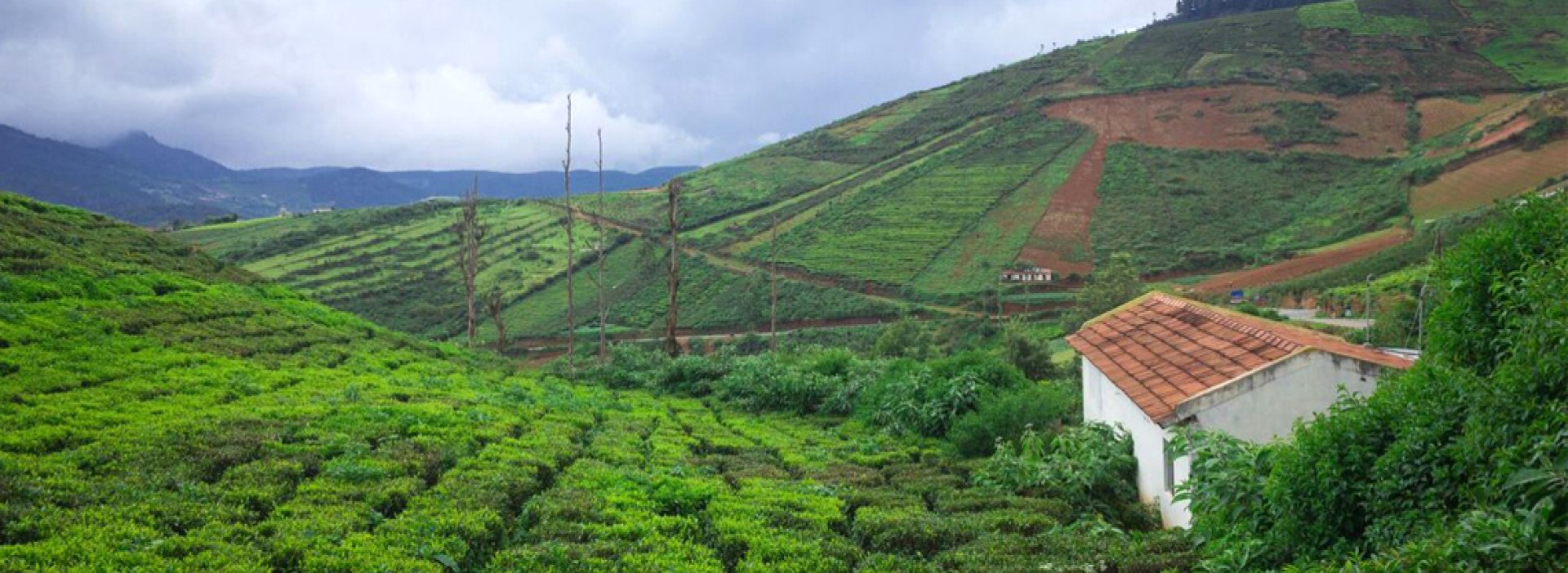
Coorg, for its lush forests, sprawling coffee plantations, and rich local culture. Coorg is sit in the misty hills so it is also know as Kodagu, where this region has gently taken as a green revolt, including age-old farming of well-known with friendly routines.
Coffee cultivation holds the ages of Coorg’s economy, shaping life here beyond just farming. Unlike its fast industrial development, Coorg’s development sees on protecting its natural beauty, and giving full support community- based farming, and promoting eco-friendly living.
Today, many of the farmers follow ancient organic farming, grow coffee under shade, save water, and protect there greenery and wildlife of Coorg. These practices improve soil health, give locals a steady monthly income, and help to protect the Ghats.
What makes Coorg’s green revolution special is its balance-it uses modern ideas while still caring for nature. Coorg is a strong example of sustainable rural development in India, from spice farms and rice fields to forest protection and responsible tourism. This path of growth shows that development and nature can exist together, making Coorg a symbol of hope for a greener future.
Meet the Local Growers- Stories from the Fields.
In the early mornings in the misty fields and seasons led by nature from their stories come, it shows the strong connection to the land they call home. Every cup of Coorg coffee and every scented spice reflects the hard work of local farmers who have cared for its land for generations.
Many locals’ farmers still use traditional farming methods taught by their families, while also adding modern, eco- friendly practices. They focus on quality over quick results, growing shade-grown coffee, organic pepper, cardamom, and rice.
The common method that protect wildlife and keep the soil healthy for years, by natural compost and using chemical free medicines. What is most remarkable is the farmers’ strength. Even with changing weather and market difficulties, they stay dedicated to sustainable framing and fair trade.
Coorg Farming from Seed to sip of organic Produce.
A story has for every harvest in Coorg, and a journey that take first step with a single seed and ends in the rich smell of fresh coffee or the live taste of farm grown spices. A meaningful process that shows respect nature at its every step, this is all called its organic farming.
The rich plantations, where seeds are carefully grown without any others false manure or any other chemicals. Farmers use green manure, and crop rotation to keep the soil pure, and making plants to grow strong and well, careful attention goes into planting, harvesting, using both traditional knowledge and friendly methods at every step.
After harvesting, the crops are carefully processed. The every beans are dried in the bright sun and roasted deep to keep their pure flavours and handpicked and cleaned to stay fresh.
This careful process ensures that what reaches your cup or plate is not fresh but also shows the hard work of dedicated farmers and sustainable farming methods. “From seed to sip,” Coorg’s organic produce combines quality, taste, and care-linking consumers to the land and the farmers who grow it, while promoting a greener and healthier future.
Shaping a Greener Tomorrow - Coorg’s Agricultural Future.
Coorg’s farming landscape is changing with a strong focus on the future, putting sustainability, strength, and community at the centre. As more people look for ethically sourced and eco- friendly products, Coorg’s farmers are responding with methods that protect the land and ensure steady live hoods for the future.
This change is not only about better farming, but also about protecting the fragile Western Ghats for future generations. The Coorg depends on organic farming, climate smart practice, and to protect plant and animal’s life.
Farmers are now using more shade- grown coffee, growing different crops together, controlling pests naturally, and saving water through efficient irrigation. The protection of environment, improves soil health, and help farms handle weather changing more easily. The younger generation also plays an important role by combining traditional knowledge with modern technology.
Stories from the Soil - Local Growers Speak.
In Coorg, the soil is more than land, it is a living heritage shared from one generation to another. Farmers talking about their farms with proud, sharing their stories from mornings, monsoon rains, and many years of hard work.
Each voice shows strong respect for nature and a dedication to farming that lives in balance with the environment. Many farmers remember learning the basics of farming from their parents and grandparents, long before modern toold were used in the fields.
The traditional knowledge with maintainable steps like organic composting, shade-grown coffee, growing multiple crops together, and natural pest control.
It also improve the quality and taste of their crops and protect the mild Western Ghats by these methods.
Conclusion.
Coorg’s is more than just a growing crops, it joins tradition, eco-friendly methods, and locals. The people in Coorg are deeply tied with their lands, farmers are the main of their green lands, using traditional equipment’s and nature-friendly follows to the nature soil, communities and forests.
Taking Coorg’s fresh spices, and all farm organic shade grown fresh produce from Coorg farms. The visitors and consumers will be part of a every story that prises both nature and the farmers who will grow it.
Each and every harvest of the Coorg, the farmer’s hard work will protect the locals and traditional, and created a perfect future. The responsible farming can work in agreement with nature that gives the quality produce and inspiring that connect us to the land at last and that only local people who care for it.
Your email address will not be published. Required fields are marked *