
Introduction- Explore the traditions of South India.
South India with strong traditions and vibrant art forms has a rich culture. This heritage is by watching its traditional dances is one of the best ways to learn about culture. They tell stories using smooth movement’s expressive eyes, and rhythmic music, and these dances are more than just performances.
Everyday life of the place it comes from, each dance shows the history, and their beliefs. The traditional dances have always been an important part of life in South India, from temple festival to village events. To teach values, and share stories from long ago in the past, they were used to worship gods.
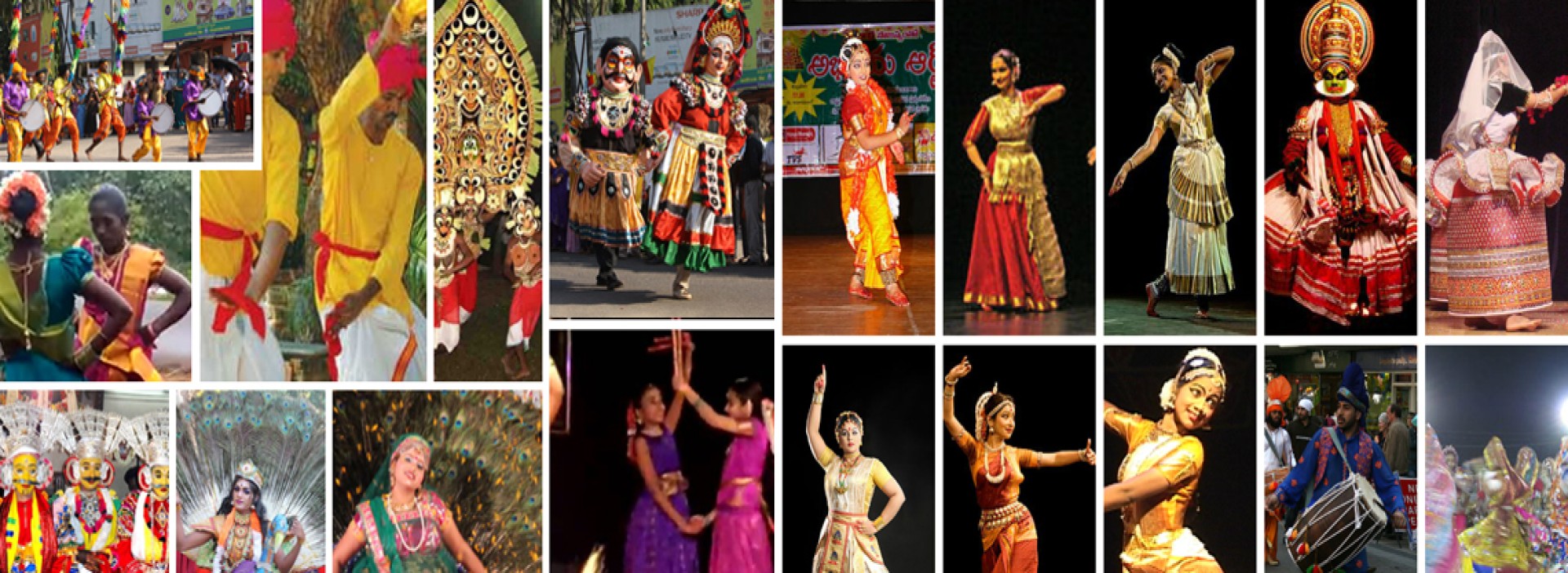
To keep old traditions alive and even today, these dances help people stay connected to their roots. Each state in South India has its own special dance style. From Tamil Nadu Bharatanatyam is famous for its powerful foot movements and clear expressions. From Kerala Kathakali and Mohiniyattam presents strong stories along with gentle and graceful movements on stage. Have a look on these dance form destinations in Karnataka packages.
A lively mix of dance Karnataka’s Yakshagana, music, and drama. From Andhra Pradesh and Telangana Kuchipudi tells the stories using fast steps and graceful poses. From these dances it is about learning and it feels like taking a journey back in time.
Their hand movements, costumes, makeup, and music all carry special meanings. The artistic skills that have been passed down from one generation to another as they express devotion and feelings.
South Indian traditional dances give every travellers and culture lovers a rich feeling and memorable cultural experience, if seen is a grand temple or on a small village stage.
A Journey through South India’s Classical Dance Heritage.
The classical dance is one of the best ways to show this heritage of South India and known for its rich culture. They are living traditions that pass down stories from the past to today by all these dances are most than a stage shows.
An every movement with their facial expression, and rhythm has a meaning, showing devotion, emotions, and discipline. In temples and royal courts these South India’s classical dance culture started, where these art forms were first developed.
Dance once used to worship gods, share spiritual messages, and teach values through stories. They taught from teachers to students, keeping their original beauty alive and over time, these traditions were carefully protected from generations.
Bharatanatyam, is famous for its strong poses, detailed hand movements, and expressive storytelling, and one of the oldest classical dances. Which bring mythological stories to life by Kathakali and it is known for its striking makeup and dramatic movements.
The graceful movements and gentle by Mohiniyattam features and that shows feminine beauty and devotion. While Yakshagana combines dance, music, and acting in a lively way. Kuchipudi mixes fast footwork with expressive storytelling. In every dance, costumes, music, and expressions play a key role.
Each performance more lively and meaningful by vivid colours, traditional jewellery, and live classical music. They create a strong and moving visual experience, together.
Its history, traditions, and artistic talent by learning about South India’s classical dances helps us to understand the present and keeps inspiring for all culture lovers around the world and it is a journey that links with the past.
Folk Dances That Celebrate South India’s Rural Life.
The daily life, beliefs, and traditions of village communities in a beautiful way of Folk dances of south India clearly shown. They happily show farming life, village festivals, changing seasons, and local stories shared from one generation to another and these dances are more than performances. Helping people come together and build strong community bonds of their folk dances are performed during harvest festivals fairs, weddings, and village gatherings.
In Tamil Nadu, Karagattam is performed to show respect for rain and water, which are very important for farming. Each south Indian state has its own special folk dances. While carefully balancing decorated pots on their heads of dancers move to lively music.
Usually performed by farming communities during religious celebrations of Karnataka’s Dollu Kunitha is known for strong drum beats and energetic movement. The Lambadi dance shows bright costumes and gentle movements inspired by tribal life, in Andhra Pradesh and Telangana.
Showing unity and joy during special occasions in Kerala’s Thiruvathira is danced by women in a circle. Drums, cymbals, and flutes are the simple instruments used, which make the performances lively and full of energy. The rhythmic movements make folk dances attractive and easy to relate to by their bright costumes, natural expressions.
About their hard work, love for nature, devotion to gods, and respect for community values they often shares those stories. Today, to keep rural culture alive, folk dances still play an important role in protecting. It help to pass South India’s village traditions on to future generations and they remind us of a slower and more connected way of living.
Festivals and Dance- When Tradition Comes Alive.
The dance has a special place in bringing these celebrations to life by these festivals in India are full of happiness, colour, and unity. Join to show joy through music, dance, and shared traditions during festivals, people leave behind their daily worriers. The dance becomes a strong way to celebrate beliefs, culture, and the spirit of community.
The various festivals bring their own special dance forms to life in different regions. The traditional dances show thankfulness for nature and the farmer’s hard work and during harvest festivals such as Pongal, Onam, and Ugadi. In full of rhythmic beats and happy dance steps in temples, villages streets, and open grounds become lively places.
Showing togetherness and teamwork among people of all ages by folk dances are often performed in groups. As they are based on everyday life, local stories, and religious traditions of festival dances are easy to follow.
All These performances fun and enjoyable for all by bright costumes, simple movements, and traditional music. To keep the audience interested by drums, clapping, and singing bring energy.
While others celebrate the seasons, weddings, or the achievements of the community, many dances are done as offerings to gods. Traditions turn into a living experience instead of just memories from the past, when festivals and dance come together.
Share them with younger generations by these performances help to keep cultural values alive. To keep traditions alive through joy, music, and celebration in a rapidly changing world, festival dances remind us of our roots.
Learning and Preserving South India’s Dance Forms.
The rich dance traditions that show its culture, history, and village life of South India is famous for it’s lively. It is also about understanding the stories, feelings, and values shared across generations and learning all these dances is not just about the steps.
From Energetic folk performances to classical dances like Bharatanatyam, each style has its own identity and teaches respect for tradition. To preserve our cultural heritage it is important to keep these dance forms alive. The communities teach children and young people the art of dance by many schools cultural centers.
The dance moves and also understand the meaning of the songs, costumes, and gestures and learning from skilled teachers, students practice. While also adapting them for today’s audiences, this understanding helps to keep the dances realistic.
By reflecting the everyday life and happiness of the rural communities these folk dances, usually performed at festivals and villages events. To develop respect for the hard work, faith, and creativity of their ancestors and by learning these dances, young people connect with their roots.
To preserve dance traditions by sharing them with a large audience by public shows, workshops, and competitions helps. South India’s dances serve as living connections to its history and culture in today’s fast changing world.
In future generations can enjoy the beauty, rhythm, and stories in every movement by learning and keeping these dances alive ensures. The community spirit in South India, Dance remains a joyful celebration of life, and culture.
Experience the Colours, Costumes, and Stories on Stage.
Entering a world full of colours, music, and stories by watching a dance in South India it feels. If it comes from mythology, village life, or local traditions each and every stage performances tells a story. The audience through graceful movements, expressive gestures, and energetic steps the stores comes to life by dancers.
These performances lively and engaging in its important costumes. The characters and grab the audience’s attentions with its bright sarees, decorated skirts, jewellery, and head pieces helps. Making the performance visually beautiful by each colour and accessory is chosen carefully to suit the dance’s mood.
While songs tell the story and guide the dancer’s expressions by music, drums, and traditional instruments create the rhythm. Every style gives a unique experience, from classical dances like Bharatanatyam and Kuchipudi to folk dances like Karagattam, Dollu Kunitha, and Lambadi.
Experiencing the dancer’s joy, devotion, and energy in this audience becomes part of the performance. While classical dances retell stories from temples and epics with precise movements and rhythms by folk dances often show everyday life, harvests, and festivals.
It is a celebration of culture, tradition, and creativity by watching these performances on stage is more than entertainment. Keeping south India’s rich heritage alive and every movement, costume, and beat shares a story. With the emotions, history, and artistry of this timeless art by watching dance live helps the audience connect closely.
Conclusion.
The South India’s traditional dances continues to connect with the past in today’s fat moving world. In which we are better to understand and encourage the South India’s cultural by seeing and feeling these dances leaves the memorable impact. By Celebrating the identity, and their traditions are not just an art to watch.
All the classical dances to folk dances each and every performance are most important part of life. The emotions and stories are shown their energy, joy, and unity on the stage by their bright costumes, music and beauty. The South India’s traditional dances done to show the upcoming generations to value and their culture roots and they keep their traditions alive by encouraging.
Your email address will not be published. Required fields are marked *