

Introduction
For the magnificent landscapes and fascinating cultural heritage, travelers come to Rajasthan from all corners of the country. It is truly a splendid place to have the best vacation of your life; it is also cozy and comfortable, with unusual places to visit in Rajasthan. If you are traveling solo, with family, with that special someone, or with friends, Rajasthan is a well-rounded travel destination. The off-the-beaten-track forts of Rajasthan have everything you could want—beauty, adventure, and history—all in unique experiences.
Some unusual places to visit in Rajasthan are Barmer, known for its colourful shapes, lifestyle of villages, and events like the Thar Festival. Banswara is renowned for its bamboo groves and the Bhil community, while Bundi is distinguished by its fort, which has never been conquered. Mandawa, also known as the "Open Air Art Gallery," has religious and historical paintings on the inside and outside walls of its buildings. Whereas the havelis of Mahansar feature elaborate gold leaf paintings, Kuchaman, on the other hand, features inlay gold work, precious stones, and Jai Mahal.
Bhanwar Garh – A Secluded Gem among Hidden Forts of Rajasthan
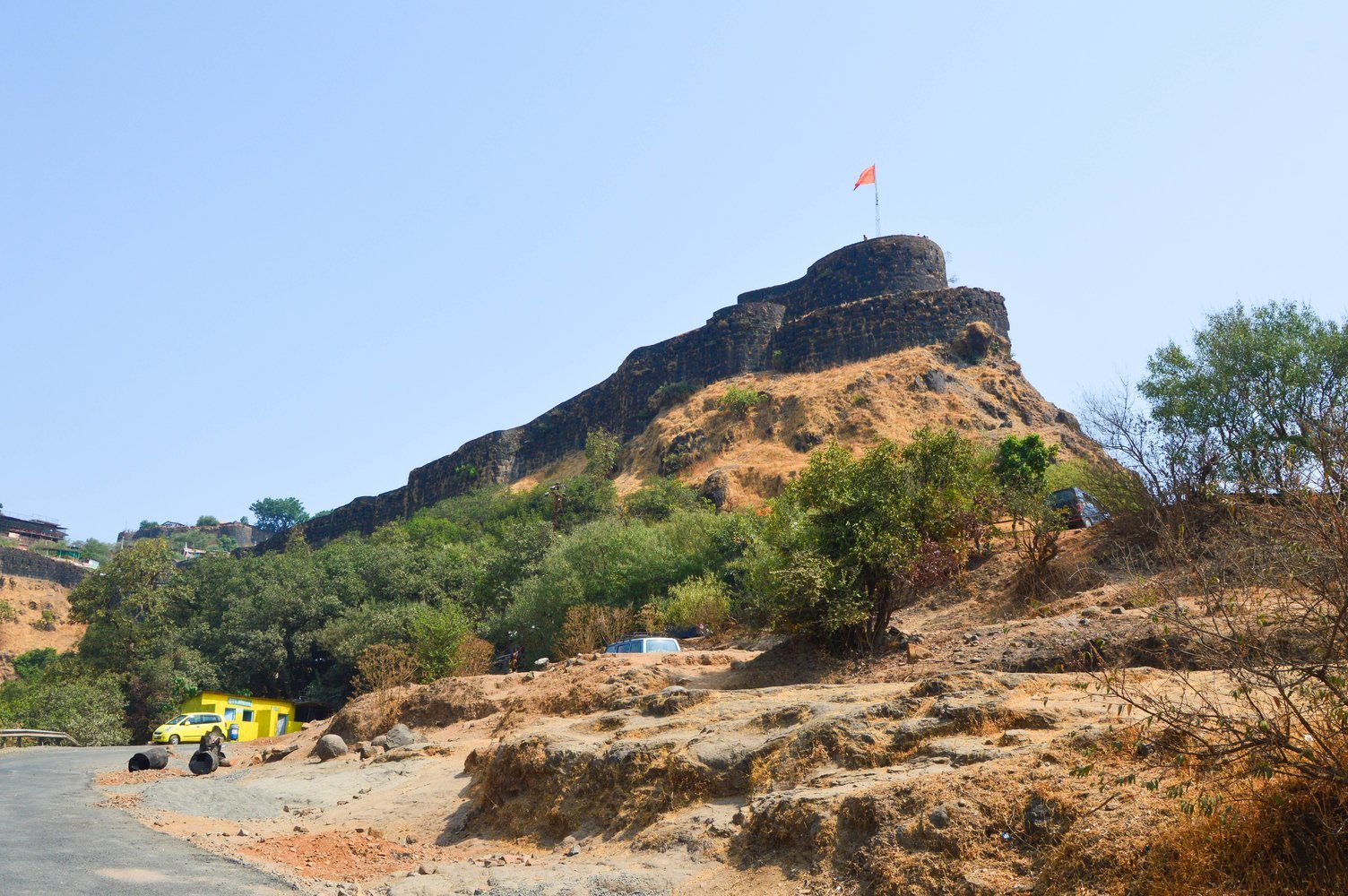
Having an interesting name to match one of Rajasthan's lesser-known fortresses, Bhanwar Garh offers an escape away from tourist chatter. It is a nondescript fort standing surrounded by rough terrain and contradicting villages. It shows the rustic charm and heritage of the old India of Rajasthan. Bhanwar Garh, compared to elaborately constructed forts in Jaipur or Udaipur, possesses a richer, tranquil, and mysterious ambience.
Walking alongside its weather-beaten walls and gates, there would be a feeling of narrations of long-gone days. It is a sightseeing place for travelers seeking less beaten-to-death tracks, to shoot some lovely pictures, and are willing to get back to Rajasthan and its untouched history. Bhanwar Garh remains an absolute undiscovered jewel amidst Rajasthan's forts.
Shergarh Fort – A Historical Treasure in the Wilderness
Baran is a popular town in the state of Rajasthan in India with a rich historical past, plenty of pilgrimages, and wildlife. Visitors come from far and wide to see the various places. The proper attractions to see are Sitabani, Kakoni, Bilasgarh, and Shahabad Fort. All of these places are of great religious and historical significance. Many visitors to the city often recognize all of the other historical monuments. One of these unique architectural structures is Shergarh Fort, which the rulers viewed as a strategically important monument.
The Shergarh Fort is located in the Atru Tehsil of Baran, Rajasthan. It is next to the Parbvan River. People like to visit this place because it has old Jain and Brahmanical buildings. It is a popular place for tourists to visit in Baran. The name "Shergarh" originates from the fact that Shershah of the Sur family took control of the fort. When people see this great fort, they can read an engraving from 790 AD that tells the story of the fort.
Barmer Fort – Desert Secrets of Rajasthan's Past
The ancient fort in Barmer stands tall, poised on the rocky throne in the heart of Barmer, Rajasthan. Barmer town enjoys a lot of fame for its rich past, a vibrant culture, and some age-old traditions. There are some beautiful forts and friendly people all around. Barmer Fort has a mystical allure with its rustic charm and the tales of valour and honour it carries.
The design of the fort speaks about the works of the Rajput stonemasons; what a view it offers of the city below! Displaying its battlements and marvelous paintings, it reveres the long war history of the area! From atop the ruins of the fort, one admires the genius of the ancient builders, and the quaint charm added by its proximity to the Thar Desert speaks about the importance of the fort in guarding the desert areas nearby.
Ramthara Fort – Offbeat Heritage in Rural Rajasthan
In Rajasthan, 150 km from Jaipur, between Agra and Ranthambore National Park, is Ramathra. In 1645 CE, Thakur Bhoj Pal's father, the Maharaja of Karauli, gave him Ramathra as a Jaagir (fiefdom). The 350-year-old Ramathra Fort is placed beautifully on a hillock and has stunning views of the countryside. It offers guests a truly unique, small-scale, rural experience. In the mouth of the Kalisil River, this beautiful hill fort is in the middle of a farming belt. It is between Keoladeo National Park in Bharatpur and Ranthambhore National Park in Sawai Madhopur.
Currently, Thakur Brijendra Raj Pal and his family reside in Ramathra Fort. They are the founders' relatives. The fort has a strong wall surrounding the outside, topped with parapets. It has wide walls, and the top of the hill has a great view.
Khejarla Fort – Blending History with Rustic Beauty
The Khejarla Fort in Jodhpur is an ancient structure that has been converted into a historic hotel. The structure aged 400 years was designed by Maharaja of Jodhpur in the 17th century. It has since been transformed into a hotel, featuring modern luxury amenities against the backdrop of the royal fortress.
It is the Khejarla Fort Hotel, where you can get a close look at India's rich history without giving up the comforts of a modern hotel. The hotel's royal welcome is the real cherry on top of the cake in every way. A very different experience is offered by Khejarla Fort. This historic fort has to be visited by those interested in coming to India to learn about the rich culture and want to have a vacation full of glamour. This grand castle stands testimony to the amalgamation of royal life with village life.
Tips for Exploring the Hidden Forts of Rajasthan Safely
First, you need to decide how long you will stay. It is generally believed that two nights are sufficient. Whether it's for Udaipur, Jodhpur, or Jaipur, it's also a good idea to book the hotels ahead of time.
Second, be clear about the type of lodging you want. Additionally, avoid booking rooms that are too expensive. Additionally, roads are excellent for traveling by both train and air. To sum up, it's easy to move because of good connections. Plan your day's trip as well.
Third, you can opt for public transportation within the city. To get around, you can rent cabs, auto-rickshaws, and tourist buses.
Fourth, Rajasthan is not just about old buildings. It is much more than that! Rajasthan also has a national forest that is comparable to the one in Ranthambore—that’s the best natural place to see rare species as well.
Rajasthan is also a good place to shop in the area. People know all over the world and love Bandhani prints, mirror work bags, leather jootis (traditional Indian shoes), and dolls. To see some good rates, visit the local bazaars: the Clock Tower Market in Jodhpur and Johari Bazaar in Jaipur.
Best Time to Visit Hidden Forts of Rajasthan
The state of Rajasthan experiences three distinct seasons: winter, monsoon, and summer. It is because of its location and landscape.
The winter months are known as the ideal time to visit Rajasthan, because temperatures hover between a comfortable 10°C and 30°C in comparison with the colder temperatures experienced in other parts of India, such as the North. Winter generally spans from the months of October to January, where every day is sunny and crisp in the evenings. The winter months in Rajasthan also display some of the best fairs and festivals, such as the Jaipur Literature Festival, the Udaipur World Music Festival, the Camel Fair, and the Pushkar Fair, which all further elaborate the idea that winter is considered the best season to visit Rajasthan.
Monsoons, especially the South-West Monsoon and Western Disturbances, account for maximum rainfall in the state and deposit 100 to 165 mm of rainfall in the state in the midst of the monsoon. The Aravalli range splits the state into two regions-a northwest ability of 60% and courteous southeast with 40% rainfall-occurrence conflicting rainfall possibilities. The northwest remains dry and sandy, whereas the southeast is, thus, fertile and better watered. The greenery, rainbows, and fun cultural occasions, such as the Teej festival, are all celebrated during the monsoons across the state.
The summers are hot and dry and reach a maximum temperature of around 48 degrees Celsius in Rajasthan, particularly difficult for the Thar Desert. But tourist places like Mount Abu, Ranakpur, and Kumbhalgarh promise pleasant temperatures. Considering extreme heat, tourists must prepare well with sunscreens and light full sleeves made from cotton fabric to prevent themselves from sunburns.
Conclusion
Rajasthan is more beautiful than just its well-known towns. It lives on in its lesser-known forts, sleepy towns, desert getaways, and small heritage hotels. You can do more than just look around at these hidden gems. They have stories, experiences, and people they know that they want to share with you. There is a secret place in Rajasthan for everyone, whether you want to be alone in the desert, feel like a king or queen in a palace, or enjoy a classy village.
If you want to go to the Land of Kings again, take the way that not many people take. Let Rajasthan surprise you, and remember the best parts of the state's quieter areas. These places transform what it means to truly experience Rajasthan by offering warm hospitality, stunning architecture, and cultural experiences around every turn.
Your email address will not be published. Required fields are marked *