
Jaipur’s Old Bazaars: A Shopper’s Cultural Trail
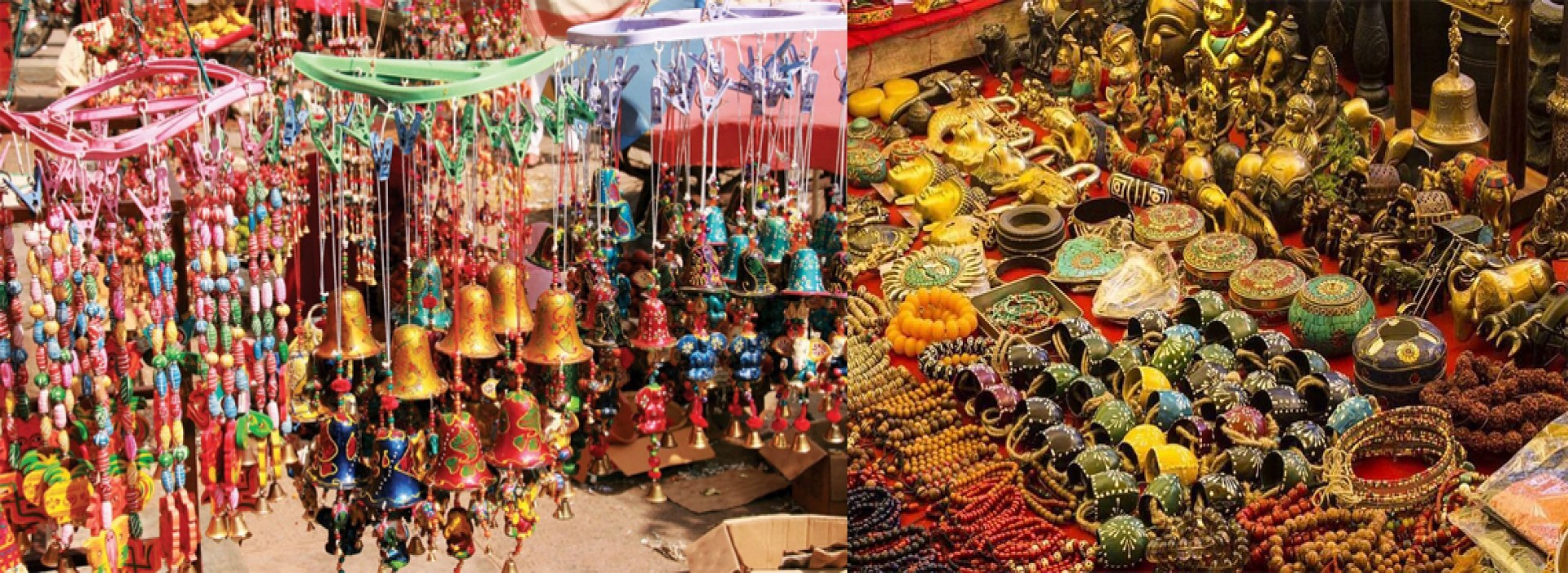
The historic city of Jaipur attracts visitors who come to see its royal palaces and its traditional markets. Jaipur's old bazaars provide visitors with an authentic experience that showcases craftwork and historical trade practices and vibrant colour displays. The markets showcase Rajasthan's royal traditions while providing visitors an exceptional shopping experience which includes textiles and jewelry and handicrafts and artworks created by local artists.
People who want to experience the Pink City’s cultural core must visit its traditional markets which date back to ancient times.
Johari Bazaar – Gemstones and Traditional Jewelry
The Johari Bazaar stands as one of the most popular markets in Jaipur because it offers beautiful gemstone and jewelry products. The word “Johari” itself means jeweller, and the bazaar has been a hub for precious stones for centuries.
Shops here display dazzling pieces made with rubies, emeralds, sapphires, and traditional Kundan and Meenakari work. The store carries bridal jewelry and handmade bangles and stylish silver jewelry. The market becomes an exciting place to visit because its display windows and shining products attract attention even when you do not intend to buy anything.
Bapu Bazaar – Textiles and Mojari Footwear
Bapu Bazaar at Jaipur serves as a popular market which sells Rajasthani garments and decorative textiles near the main tourist sites. The store offers a variety of products including embroidered fabrics and bandhani sarees and block-printed bedsheets and vibrant dupattas.
This market is also known for its handmade leather footwear called “mojari.” The traditional footwear exhibits elaborate designs while showcasing the artistry of regional craftsmen. The shopping environment here becomes dynamic because customers engage in price negotiations with vendors who sell their products.
Tripolia Bazaar – Bangles and Metal Crafts
The Tripolia Bazaar in Jaipur assists as other traditional market because it sells lac bangles and cultural metal handicrafts. Rajasthani culture considers lac bangles to be a vital element which people wear during festivals and weddings.
The market sells brassware and carpets which customers can buying together with handmade home décor products. The Tripolia Bazaar provides companions with a chance to see traditional artisan techniques which artisans have maintained through the centuries.
Chandpole Bazaar – Handicrafts and Marble Art
Chandpole Bazaar is a popular destination where visitors can experience authentic Rajasthani handicrafts. This exciting market interests shopper looking for attractively intricate wooden carvings, marble sculptures and hand – painted decorative objects created by skilled artisans.
Visitors can see artisans create marble sculptures and paint detailed patterns on wooden pieces at workshops placed nearby.
This bazaar is one of the great places to buy genuine souvenirs from Jaipur, offering products that truly reflect the city’s rich artistic heritage.
Kishanpole Bazaar – Textile Craftsmanship
People visit Kishanpole Bazaar to buy traditional wooden items and unique textiles that reflect the genuine cultural heritage. The markets display bandhej and tie-and-dye textiles, which are the best examples of the textile heritage found in the state of Rajasthan.
The markets at Kishanpole Bazaar allow visitors to choose from the variety of decorative items and textiles available in the markets, which makes this place the best place for visitors to buy genuine products and textiles that reflect the cultural and artistic heritage found in the state.
Beyond Shopping: A traditional Experience
The markets in the city of Jaipur are vibrant and allow visitors to experience the genuine cultural essence found in the state. The markets in Jaipur display historical buildings that reflect the architectural trademark found in the city, which is the color pink. The markets in the city also allow visitors to taste the local food available in the markets, such as Kachori and samosas.
The genuine cultural essence found in the state is reflected through the sensory experience offered in the markets, which includes the display of music and various other visual displays.
Best Time to Visit Jaipur’s Bazaars
The best time to visit Jaipur markets is from October to March because this period brings pleasant weather conditions. The markets become especially active during evening hours because their lights attract both local residents and visiting tourists to the area.
The festive atmosphere during Diwali and Teej celebrations creates a vibrant experience because decorative displays and cultural events and festive shopping activities fill every space.
Final Thoughts
The Jaipur's traditional markets give an experience to visitors of Rajasthani artistic expression and cultural heritage through their display of artistic works which exist beyond their purpose as commercial products. The streets of Johari Bazaar and Bapu Bazaar display their unique cultural identity through their gemstone jewelry and handcrafted textile products.
Travelers who visit to like actual cultural experiences should walk through Jaipur's historic markets because this experience remains without equal.
Your email address will not be published. Required fields are marked *