
Kerala’s Village Tourism: Responsible Travel Experiences in God’s Own Country
The state of Kerala attracts tourists because of its peaceful backwaters and its beaches which receive direct sunlight and its hill stations which remain covered in mist. The authentic experiences of the state which exist beyond the typical tourist routes can be discovered through Kerala’s Village Tourism. This travel method which depends on community members and supportable practices enables visitors to experience authentic local customs while they assist local economies and protect traditional cultural inheritance.
The Kerala Villages give an ideal setting for mindful travelers who wish to practice responsible travel because they combine natural beauty with historical sites and eco–conscious hospitality.
What is Kerala Village Tourism?
Village tourism in Kerala centers on creating significant relationships between travelers and local communities which includes their traditional ways of life and their daily village routines. The local families and cooperatives and community-based tourism initiatives provide authentic experiences which differ from conventional commercial resort accommodations.
Visitors to the area can experience authentic Kerala culture through homestays which include farming work and traditional craft demonstrations and meals prepared with ingredients from local farms. The system guarantees that the community receives all tourist revenue while maintaining minimal environmental damage.
Responsible Travel and Sustainability
The state of Kerala has received recognition for its responsible tourism efforts which focus on protecting the environment and preserving cultural heritage. Village tourism promotes
• Reduced plastic consumption
• Support for local artisans and farmers
• Preservation of traditional crafts
• Respect for local customs and ecosystems
Travelers who stay in villages and choose environmentally friendly activities help preserve Kerala's tourism resources. The experience of visiting a location extends beyond the physical space because it requires travelers to remain conscious of their travels and their associated duties.
Authentic Cultural Experiences
The main attraction of Kerala village tourism exists in its cultural immersion activities. The performance of Kathakali and Theyyam shows their authentic arts by presenting them in their original locations. You can acquire coir-making skills and pottery skills and handloom weaving skills and toddy tapping skills from the local artisans who teach those skills to you.
The festivals that villages conduct in their villages provide people with a deeper understanding of Kerala's religious practices and cultural heritage. People who show respect for these traditions can build strong relationships with local residents through their participation in these activities.
Nature-Based Village Experiences
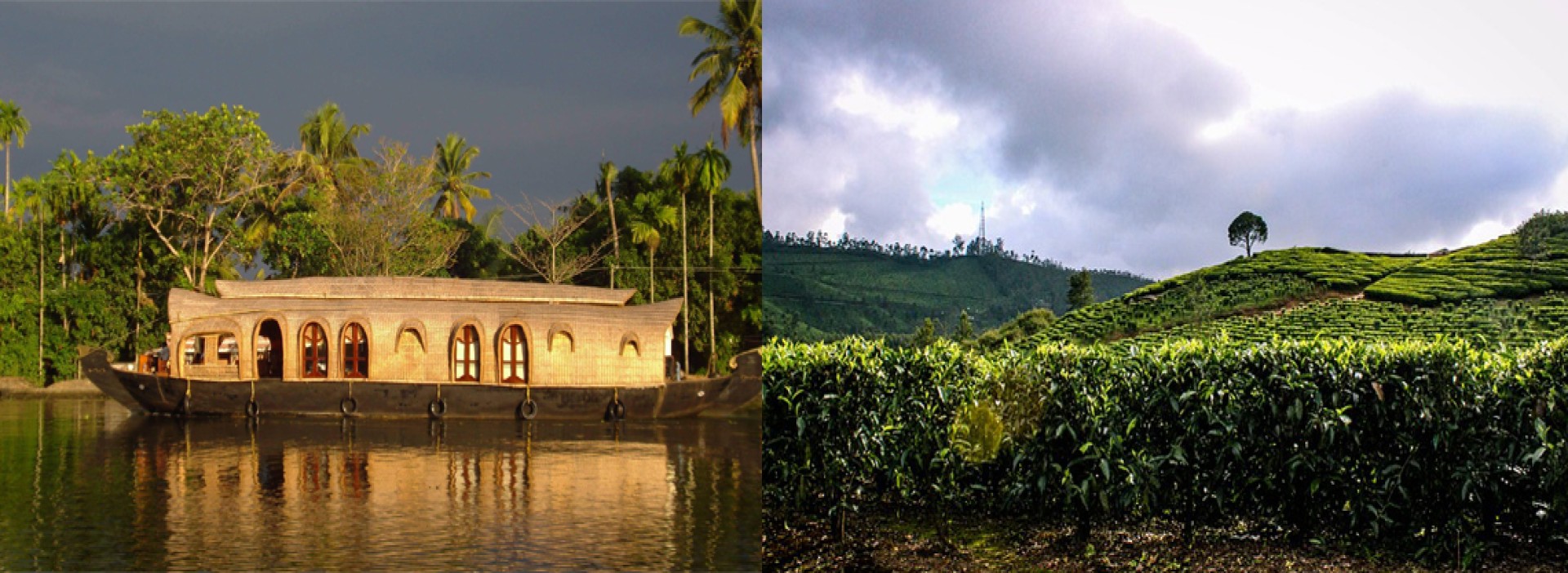
The rural areas of Kerala contain abundant natural beauty which includes coconut groves and paddy fields and rivers and backwaters. The villages surrounding Alleppey and Kumarakom and Wayanad present visitors with picturesque activities which include:
• Canoe rides through narrow backwater canals
• Guided village walks
• Organic farm visits
• Bird watching and nature photography
The slow travel experiences enable tourists to explore Kerala's natural diversity while staying away from heavily populated areas which attract tourists.
Homestays: The Heart of Kerala Village Tourism
The homestay system serves as the primary element which determines how Kerala manages its rural tourism activities. Visitors who stay with local families experience true hospitality while they enjoy meals prepared at home and witness authentic cultural traditions. The banana leaf dining experience allows travelers to taste authentic Kerala food which includes dishes made from fresh spices and coconut.
Homestays function as educational tools that teach guests about Kerala's rural lifestyle through presentations of temple rituals and fishing practices and agricultural work. The rural community of Kerala presents an authentic experience that guidebooks cannot capture.
Popular Village Tourism Destinations in Kerala
Responsible village tourism has become popular in various Kerala regions through these two main areas:
• Kumarakom – Known for backwater village life and eco-tourism initiatives
• Wayanad – Tribal villages and nature-based rural experiences
• Kuttanad – Scenic paddy fields below sea level
• Thekkady – Spice plantations and eco-friendly community tourism
Each destination presents special experiences that derive from the customs and environment of the local area.
Best Time to Experience Kerala Village Tourism
The best time to visit Kerala villages from October to March because this period provides ideal weather conditions for outdoor activities. The monsoon season from June to September brings lush green landscapes together with a tranquil atmosphere, which creates an ideal environment for travelers who prefer to explore at a slow pace.
Why Choose Kerala Village Tourism?
The village tourism of Kerala provides tourists with an opportunity to experience authentic local life, which enables them to create meaningful travel experiences. The system enables travelers to:
• Assist rural development
• Protect traditional customs and artisanal traditions
• Minimize ecological damage
• Experience the genuine hospitality of Kerala
The villages of Kerala provide travelers with an opportunity to experience a more deliberate approach to exploration, which stands in contrast to modern rapid travel methods.
Final Thoughts
Kerala village tourism serves as an eco-friendly tourism option which enables visitors to experience India's extensive cultural and natural heritage. Travelers to Kerala can help maintain the region's traditional customs by selecting rural homestays and participating in environmentally friendly tourism activities and community-based programs, which will also help them create memorable experiences.
The village tourism in Kerala offers travelers a valuable opportunity to create lasting memories while they explore the state through their travels.
Your email address will not be published. Required fields are marked *