

Introduction
The lost temples of Coorg are ancient and one-of-a-kind. They show how rich the history and culture of the area are. A lot of these churches have beautiful domes and arches that are a mix of traditional and Indo-Islamic styles. The area around them is peaceful, with sacred water tanks and quiet woods standard.
There are stories about kings and local gods in these buildings that take you back to the past. The lost temples of Coorg are unique because they give visitors a look into a spiritual and historical world that most people have forgotten. This makes them great for both travellers and history buffs.
Unveiling the Mystique: What Makes the Lost Temples of Coorg Unique?
The lost temples of Coorg are one of a kind because they have an unusual mix of architectural styles. Instead of the standard structures found in South Indian Hindu temples, they often combine Indo-Islamic and Gothic elements, such as domes, minarets, and arches.
There are also strong local legends about these holy places, such as stories about royal patrons making things right and stories about Brahmin curses and spiritual redemption. Temples like Omkareshwara offer peaceful settings, featuring fish tanks and walkways that link mandapas, which create a sense of peace and mystery for visitors.
Echoes of the Past: Legends Surrounding the Lost Temples of Coorg
Legends play an important role in the history of the lost temples of Coorg; thus, they continue to give people the impression they are there. A famous tale narrates that the Cauvery River is the mother of Kodagu and that she blesses the people and the land with her blessings. The ruins and the tales of kings, saints, and local deities make the temples of the place a magnet for the locals.
Others remember different stories for their penance and marvel. For example, King Lingarajendra built the Omkareshwara Temple because he wanted to ask for forgiveness for something he had done wrong. Powerful local gods guard the sacred groves in the area. So, the stories and rituals associated with the lost temples of Coorg have still been used by people today to have a link with these ancient sites.
Architectural Marvels: Styles and Symbolism in the Lost Temples of Coorg
The temples of Coorg are very interesting because of the diverse architectural styles that reflect the area's cultural heritage. Most temples exhibit the influences of Indo-Islamic and Gothic styles through their domes, arches, and minarets—these features hardly appear in Hindu temples. This mingling of styles makes them different from the classic South Indian churches.
The temples are very symbolic and have a lot of carvings and structures that depict local legends, spiritual beliefs, and historical events. The Omkareshwara Temple, for instance, has both the symbols of religion and peace. This makes these temples more than just places of worship; they are also cultural icons.
Omkareshwara Temple: A Story of Remorse and Redemption
The Omkareshwara Temple is very close to the Madikeri Fort. King Lingarajendra built Omkareshwara Temple in 1820 with a blend of red-tiled Kerala architecture and Islamic-style domes. He brought the Linga from Kashi and installed it in this Shiva temple.
History of the Temple: King Lingarajendra II built the Temple in the early 1800s. People think that the king built this Temple to make up for killing an innocent person by accident during his Kingdom's Expansion. King's guilt over killing someone started to get in the way of his peace of mind and sleep, giving him dreams. Royal Priests called Rajapurohits told people to fix the mistake by building a temple.
It was made in a style that is a mix of Gothic and Islamic, and it is dedicated to Lord Shiva. The Temple looks better because it has a big water tank in the middle with a mantap. The Temple is different from other Hindu shrines because it doesn't have halls with columns.
The Hidden Shrines of Madikeri Fort: Forgotten Chapters of the Lost Temples of Coorg
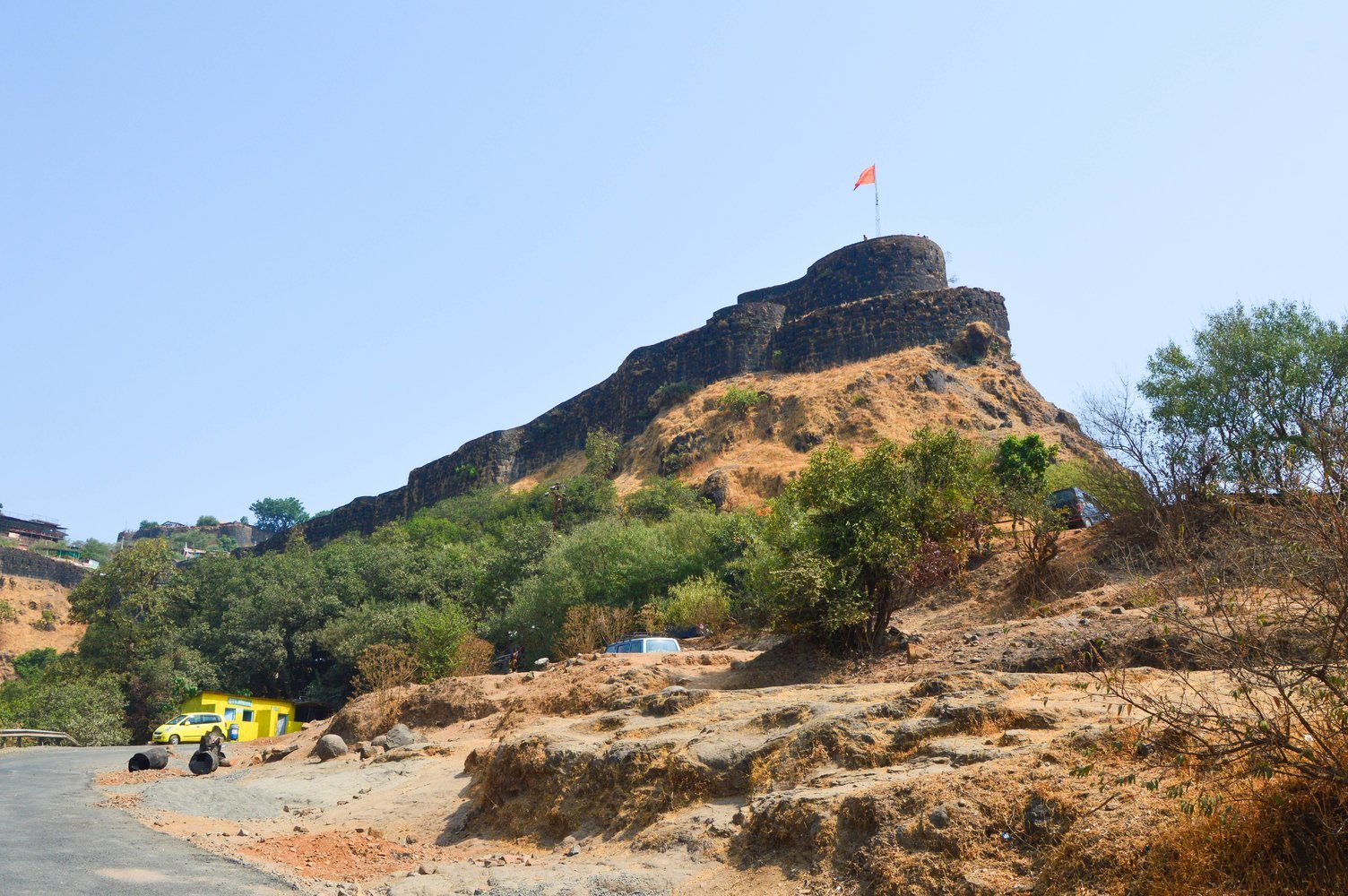
Madikeri Fort is a spot where faith and history meet. It has secret shrines that used to stand as quiet reminders of Coorg's religious and royal history. The fort was first built in the 1600s, and it has gone through many changes since then. Tipu Sultan and the British both rebuilt it. Shrines inside the walls, like the Kote Maha Ganapathi temple, carry on old customs as pilgrims and festival-goers worship there today.
Along the way, other buildings were built in place of some shrines that are now lost. For instance, in 1855, they dismantled the Virabhadra temple and erected a Gothic Anglican church, which today is a museum. The changes to the debenture illustrate the fort's long history and the role its temples contributed to the city of Madikeri's spiritual landscape. The stories and practices related to these lost chapters of Coorg make the existence of tucked away shrines important, not only for their architecture.
Folk Deities and Village Shrines: Coorg's Indigenous Beliefs
Folk deities, local altars, and a close connection with nature are what the Coorgis cannot imagine living without, and gods such as Kaveri, Igguthappa, and Bhagamandala are worshiped deities to most townspeople. The divine is experienced in relation to weather, harvest, and community protection. The Kodavas often have sacred groves and simple shrines because they honor ghosts and respect the elders.
At these shrines, people from the community have festivals and rituals, and they give gifts to the gods as ways to win and show the power of greatness. There is a story in the everyday about the gods like Bhadrakali being nice and helping people which indicates how ingrained the beliefs are in the cultural identity of Coorg.
The Challenge of Preservation: Threats to Sacred Heritage
• Sacred groves and ancient temple sites have experienced the devastation of trees and the destruction of their surrounding habitats.
• As communities continue to modernize, we see that in time, the customs and sacred places no longer resonate with memory.
• Ancient shrines are in jeopardy due to ambiguous ownership of the land and sometimes aggressive people.
• Older peoples view younger generations as abandoning traditions because they consider these to be merely superstitions of the past.
• New building projects that cause the fragmentation of heritage sites and the disturbance of ecosystems are drawing a lot of pressure.
• Communal violence often results in the loss or deterioration of the original state of the sacred places.
Rediscovering Coorg: Why the Lost Temples of Coorg Matter Today?
Today, the lost temples of Coorg matter because they illustrate the serene and rich spiritual and cultural heritage of the region. The artwork, architecture, and stories created ages ago associated with these temples, allow people to connect generationally to those who came before them. They preserve the beliefs, traditions and lifestyles of people who inhabit the area.
In addition to history, they get people to care about nature because many churches are surrounded by sacred groves. By rediscovering these temples, we contribute to the preservation of Coorg's history, attract tourists, and develop national pride. This serves to maintain a continuity of ancestral traditions for the descendants of Coorg.
Your email address will not be published. Required fields are marked *